 By MyJobAlly
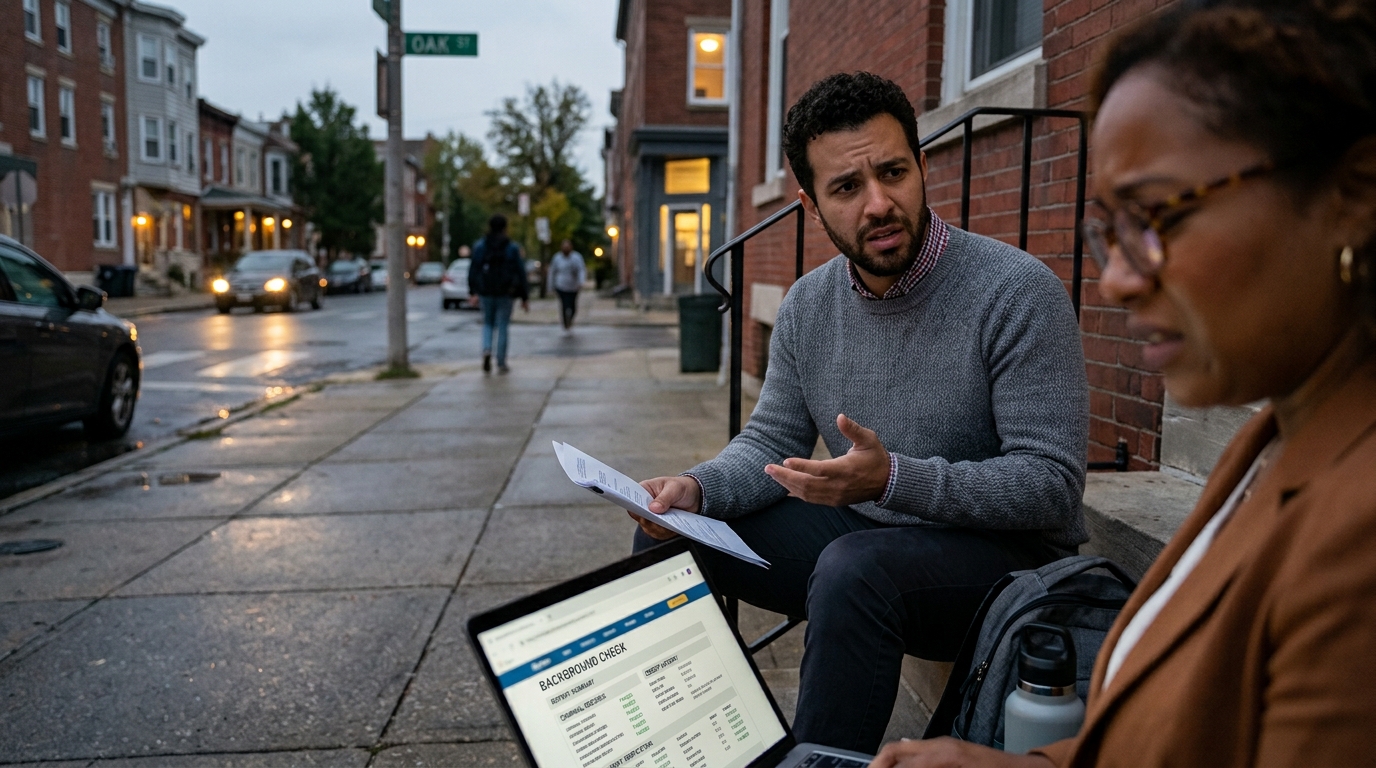
You pass the interviews, accept the offer, and then it is withdrawn. The reason: a background report says you have a criminal record you have never had. Many job seekers assume this only happens in movies. The documented cases say otherwise.
So are background check companies ruining lives with bad data? The honest answer is that no one can say how often it happens, but the harm to those affected is well documented, and the causes are built into how the industry works.
What the evidence shows
The most direct evidence comes from regulators. In 2015, the US Consumer Financial Protection Bureau (CFPB) took action against two of the largest employment screening providers for failing to take basic steps to keep reports accurate. The bureau found that between 2010 and 2014, nearly 70 percent of criminal history disputes filed with one of the companies led to some change or correction. The errors included records attached to the wrong person, dismissed and expunged cases, and misdemeanors reported as felonies. The companies were ordered to provide $10.5 million in relief to harmed consumers and pay a $2.5 million civil penalty.
The Federal Trade Commission (FTC) has been involved too. Its case against HireRight was the first time it charged an employment screening firm under the Fair Credit Reporting Act (FCRA). The FTC alleged that failures in the company’s process led to people being denied jobs or other employment-related benefits. In a later report to Congress, the FTC said it had brought more than 30 FCRA enforcement actions in a decade, about half involving the accuracy of consumer reports.
Advocacy groups saw the pattern earlier. The Privacy Rights Clearinghouse reported that people with flawed checks were denied jobs, sometimes for years, or lost jobs they had performed well in.
Why the errors happen
Errors are rarely the result of one careless person. They tend to come from how the process is designed:
- Weak identity matching. The CFPB found that one screening company did not require employers to provide middle names, and that neither company had a written policy for researching people with common names. In 2024, the bureau also warned against matching on limited identifiers and reminded companies they must keep reasonable procedures to avoid false or misleading reports.
- Outdated or sealed records. Expunged cases and old negative items keep resurfacing. The same CFPB guidance says each negative item has its own reporting period, which depends on the date of the item itself.
- Vendor chains. One proposed class action in Connecticut alleged that a job seeker was labeled a convicted drug dealer because a third-party vendor attached a same-name person’s record to him at a county court.
- Automation and in-house labels. A law firm summarizing the Inflection Risk Solutions case noted that problems arise when automated processes are used, records are not updated, and companies apply their own offense classifications instead of reporting public records accurately.
Real cases and what they cost
Court filings show how this plays out for individuals. These are allegations, and settlements do not necessarily mean a company admitted wrongdoing:
- Inflection Risk Solutions agreed to a $4 million settlement after a report allegedly described a man as having a violent felony conviction, which was inaccurate.
- Accurate Background agreed to pay $487,000 to settle claims that it reported criminal records that had been removed from the public record. Another suit against the company, Iten v. Accurate Background, alleged that workers lost jobs because of incorrect criminal history reporting, and it reportedly settled in May 2026.
- A $5 million settlement with J.B. Hunt covered about 14,915 people. The core claim was that adverse action was taken without giving applicants a copy of their report and a summary of their rights. One applicant in the case alleged he was wrongly reported as having a felony that belonged to someone else.
The problem extends beyond employment. A CFPB review of tenant screening counted roughly 26,700 complaints between 2019 and 2022, most alleging inaccurate reports.
The other side of the story
Employers do not screen for fun. Surveys by the Society for Human Resource Management (SHRM) have found that reducing negligent hiring liability and keeping the workplace safe are the top reasons for criminal checks. In some industries, screening is required by law. A Sterling survey reported by SHRM in 2017 found that 93 percent of employers that screen use criminal records searches. That data is old, but it shows how routine these checks are.
There is also an important limit to the evidence. Most of what we have comes from enforcement actions, lawsuits, and complaints. These show serious failures, but they cannot tell us what share of all background checks contain errors. Many checks are presumably accurate, and a person with a flawed report has no way of knowing which kind they will get.
So, are they ruining lives?
For the people affected, yes, the damage can be severe and lasting. For the industry as a whole, “ruining lives” overstates what the data can prove. A fairer conclusion is that the system tolerates a known error rate, and the cost lands on the job seeker, who often finds out only after losing the opportunity.
Regulators are also changing course. In May 2025, the CFPB withdrew 67 guidance documents, including its 2024 background screening advisory opinion. The bureau said the withdrawn guidance should not be enforced or relied upon while its review is ongoing, and that the withdrawals are not necessarily final. Legal commentators noted the FCRA itself is unchanged, but that the withdrawal may affect the weight past CFPB guidance carries in court. In practice, that means job seekers should rely on their own vigilance.
What you can do to protect yourself
1. Get ahead of the check. Ask the employer which company will run it. The CFPB suggests that reviewing your report from the main screening providers before you apply can help you find errors early.
2. Make your own records consistent. Mismatched dates, job titles, or names between your CV and your documents can trigger flags, even when nothing is wrong. Our guide to 10 CV mistakes that cause instant rejection and our piece on what recruiters look for in a CV will help you keep your story clean and verifiable.
3. Ask for the report if you are turned down. Under US law, an employer that plans to act on a report must tell you who supplied it, that the company did not make the decision, and that you can dispute it. A law firm summary adds that you can generally request a free copy within 60 days of the adverse decision.
4. Dispute in writing and keep proof. The FTC says a screening company must investigate within 30 days of being told you dispute something and either confirm, record, or delete the information. Attach court records or other documents. If the company does not fix it, complain to the CFPB or FTC.
5. If you are applying in Nigeria, use your data rights. The Nigeria Data Protection Act 2023 gives you a right to rectification, meaning you can ask for inaccurate or incomplete personal data to be corrected. It also lets you complain to the Nigeria Data Protection Commission. It also covers the right not to be subject to decisions based solely on automated processing that significantly affect you. Put your correction request in writing to the employer and the verification company. Do not assume the FCRA’s 30-day deadline applies here, because that is a US rule.
The bottom line
Most job seekers will pass a background check without trouble. But the documented failures show that a wrong record can cost someone a job before they even know it exists. The best protection is to know what is on file about you, keep your documents consistent, and dispute errors quickly and in writing.
For more practical guidance, browse our Career Advice section.
This article is for general information and is not legal advice. If a background check has cost you a job, consider speaking with a qualified lawyer in your jurisdiction.